Affordable Liver Treatments in Delhi: Transplant Costs & Fatty Liver Solutions

The Centre for Liver and Biliary Sciences (CLBS) at Max Super Speciality Hospital, Saket, is one of Delhi’s best hospitals for liver treatment. It has a cumulative experience of over 2500 liver transplant operations. Our Surgeons, Physicians, Anesthetists, Intensive Care Physicians, Radiologists, and Nurses have been working together to care for patients with liver diseases since 1998. CLBS delivers holistic care to patients with Liver and gastrointestinal diseases. We are the best liver transplant hospital in India.

Liver operation cost in Delhi

Being a complex surgery, the cost of a liver operation is of utmost importance in India, particularly when choosing the most reputable medical institution, and it is on the higher side. However, to ensure your well-being and good health, you should focus on getting this operation done by a renowned and reliable hospital rather than thinking too much about the expenses. While the overall liver operation cost in India may differ from one hospital to another, choosing the most reputable medical institution while undergoing this procedure is of utmost importance.

Liver transplant cost in Delhi

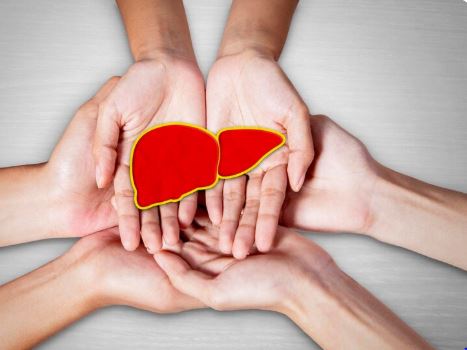
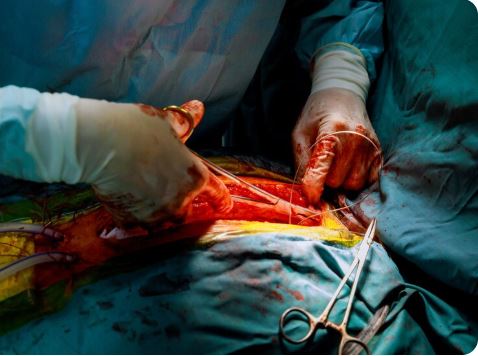
Liver transplantation is a surgical procedure that is carried out to replace a damaged Liver with a healthy liver from a donor. Owing to the complexity of this surgery, Liver transplant cost in Delhi is relatively higher than many other types of surgeries. Doctors only recommend that patients go for this surgery when their Liver is damaged beyond repair and ceases to function as per requirement. At our center, a liver transplant is offered as a package.

Fatty liver disease treatment

Non-alcoholic Fatty Liver Disease (NAFLD) is becoming increasingly prevalent in Delhi and other areas of the country and all over the part of the world, reflecting a broader global trend associated with lifestyle changes, poor dietary habits, and a rise in obesity and diabetes. Fatty liver disease treatment in Delhi focuses primarily on lifestyle modifications, including a healthy diet rich in vegetables, fresh fruits, and whole grains, regular exercise, gym, practicing yoga asanas, and maintaining a healthy weight.
From Diagnosis to Recovery: Treating Alcoholic Hepatitis and Liver Disease

The Centre for Liver and Biliary Sciences (CLBS) at Max Super Speciality Hospital, Saket, is one of Delhi’s best hospitals for liver treatment. It has a cumulative experience of over 2500 liver transplant operations. Our Surgeons, Physicians, Anesthetists, Intensive Care Physicians, Radiologists, and Nurses have been working together to care for patients with liver diseases since 1998. CLBS delivers holistic care to patients with Liver and gastrointestinal diseases. We are the best liver transplant hospital in India.

Alcoholic hepatitis treatment

If you’ve been diagnosed with alcoholic hepatitis, you need to stop drinking alcohol and never drink alcohol again. Alcoholic hepatitis treatment is the only way that might reverse liver damage or keep the disease from getting worse. People who don’t stop drinking are likely to have some life-threatening health problems. If you depend on alcohol and want to stop drinking, your healthcare professional can suggest a therapy that meets your needs. It can be harmful to stop drinking all at once. So, discuss a plan with your healthcare professional.

Alcoholic liver disease

Alcohol consumption has become a significant part of our social culture. Whether it’s celebrating a special occasion or simply unwinding after a long day, many people enjoy a drink or two. However, excessive and prolonged alcohol consumption can have severe consequences for our health, particularly for our Liver. Alcoholic liver disease, commonly known as ALD, refers to a range of liver conditions caused by excessive alcohol consumption. The symptoms of ALD can vary depending on the stage of the disease. 

Alcoholic liver disease diagnosis

People diagnosed with any ALD must seek out liver disease treatment in India as soon as possible. Alcoholic liver disease diagnosis is the only way to find the disease inside the Liver. Treatment options for such conditions include Stopping alcohol consumption, quitting smoking, and making efforts to lose weight, which can help in reversing alcoholic liver disease. People seeking out alcoholic liver disease treatment in India must contact a reputable medical facility to ensure that they are provided with the care they need.

Best Liver Hospital in Delhi and Top Liver Transplant Specialist in Noida

The Centre for Liver and Biliary Sciences (CLBS) at Max Super Speciality Hospital, Saket, is one of the Best hospitals for liver treatment in Delhi. It has a cumulative experience of over 2500 liver transplant operations. Our Surgeons, Physicians, Anesthetists, Intensive Care Physicians, Radiologists, and Nurses have been working together as a team to care for patients with liver diseases since 1998. Liver transplantation is now the treatment of choice for selected groups of patients with end-stage liver disease or liver failure. Liver failure can be either acute (fulminant or sub-fulminant failure) or chronic (decompensated cirrhosis).

CLBS delivers holistic care to patients with Liver and gastrointestinal diseases. We focus on individualizing the patient’s treatment according to the nature and stage of their disease, as well as the functional status of their other organ systems—such as their heart, lungs, coexisting diabetes, or any other health issues they may have. We are the best liver transplant hospital in India. Thus, liver transplantation has become the standard of care for either acute or chronic liver failure.

Best liver hospital in Delhi

CLBS at Max Super Speciality Hospital, Saket, is one of the in best liver hospitals Delhi. We provide unparalleled patient care and hospital experience in Delhi for Fatty Liver. We have top-notch specialists and cutting-edge technology under one roof, ensuring high-quality treatment for our patients. We have highly skilled specialist doctors with years of experience. We have proven experience in handling even the most complicated cases accurately and precisely. We provide the latest technologies for diagnosing and treating cases with unconventional methods.

Best liver transplant doctor in Noida

CLBS, Noida, is one of the best specialists for liver transplants, trained to provide the **best liver transplant doctor in Noida, utilizing the latest technology. Doctors involved in transplantation include transplant surgeons, transplant hepatologists, pediatric transplant anesthesiologists, pediatric interventional radiologists, infectious disease specialists, pediatric intensive care specialists, transplant coordinators and nurses, transplant pharmacists, psychologists, dietitians, and social workers to ensure a smooth transplantation process.

Best medicine for liver infection

Medications for liver disease are mainly used to improve liver function. These medications work by reducing complications such as hepatitis, decreasing inflammation and fluid buildup, and promoting overall well-being. At CLBS (Centre of Liver and Biliary Sciences), we provide best medicine for liver infection. Medications for liver disease work by treating particular causes, such as autoimmune disorders or viral hepatitis, or by treating symptoms of liver damage, like bleeding or portal hypertension. Early diagnosis, seeking medical advice, proper treatment, increasing awareness, and lifestyle changes are the tools for managing liver diseases and improving liver health.

Stages of Fatty Liver Disease: NAFLD vs. NASH Explained

Fatty liver disease is becoming an increasing health issue in India, especially in urban regions such as Delhi, because of increased obesity, diabetes, and lifestyle diseases. Familiarity with the stages of this condition—Non-Alcoholic Fatty Liver Disease (NAFLD) and its advanced stage, Non-Alcoholic Steatohepatitis (NASH)—is important for early diagnosis and successful treatment.

Understanding NAFLD and NASH

Non alcoholic fatty liver disease treatment is defined by the deposition of fat in the liver without clinically significant inflammation or injury. It is most commonly linked with metabolic risk factors like obesity, type 2 diabetes, and hyperlipidemia.

NASH is a more advanced form of NAFLD, where fat deposition is followed by inflammation of the liver and injury to liver cells. This may advance to fibrosis, cirrhosis, and even carcinoma of the liver if not treated.

Stages of NAFLD

Simple Steatosis (NAFL): Fat builds up in the liver here without generating inflammation or harm. It tends to be without symptoms and could reverse with way of life improvements such as slimming down, dieting healthily, and staying active on a regular basis.

Non-Alcoholic Steatohepatitis (NASH): This develops as inflammation and cell damage that put the risk for fibrosis high. NASH may then become cirrhosis cure and ultimately cause liver failure unless treated adequately.

Fibrosis: Chronic inflammation results in scarring of the liver tissue. Although some fibrosis is reversible, advanced fibrosis can result in cirrhosis.

Cirrhosis CLD Treatment: Severe scarring compromises liver function, resulting in complications like liver failure, variceal bleeding, and hepatocellular carcinoma.

Diagnosis and Staging

  • Diagnosis of NAFLD and evaluation of its progression require a combination of:
  • Blood tests: To monitor liver enzyme levels and evaluate liver function.
  • Imaging tests: Ultrasound, CT scan, or MRI to identify fat build-up and abnormalities in the liver.
  • Liver biopsy: Occasionally, to determine how much inflammation and fibrosis exists.
  • Non-invasive procedures: Like elastography or the FibroScan, which assesses liver stiffness and estimates the levels of fibrosis?

Management and Treatment

NAFLD can usually be treated with lifestyle changes in its early stages:

  • Diet: Following a healthy diet full of fruits, vegetables, whole grains, and lean protein with a reduction of saturated fats and sugars.
  • Exercise: Regular physical activity, preferably 150 minutes of moderate-intensity exercise or more per week.
  • Weight Loss: Gradual weight loss helps to decrease liver fat and inflammation.

For NASH and more severe stages

  • Medications: Although there are no FDA-approved medications for NASH, some medications such as vitamin E and pioglitazone have been beneficial in selected patients.
  • Liver Transplantation: If cirrhosis or liver failure occurs, a liver transplant might be required.

Prevalence and Risk Factors in India

The prevalence of NAFLD is growing in India, with research suggesting that a large percentage of the population is impacted. Risk factors are:

  • Obesity: More specifically, abdominal obesity.
  • Type 2 Diabetes: Increased blood sugar leads to the build-up of fat in the liver.
  • Dyslipidemia: Increased triglycerides and cholesterol levels.
  • Sedentary Lifestyle: Inactivity.
  • Poor Diet: Excessive consumption of processed food, sugar, and saturated fats.

Conclusion

Understanding the stages of fatty liver disease is essential for early detection and intervention. Regular health check-ups, maintaining a healthy lifestyle, and managing underlying conditions can prevent the progression from NAFLD to NASH and its complications. If you suspect you have fatty liver disease or are at risk, consult a healthcare professional for appropriate evaluation and management.

Check out this related article-

https://tinyurl.com/tvvv9exb

Understanding the Different Types of Liver Diseases and Their Treatment in India

A prime global concern to have and to address is liver disease. The liver is essentially part of the body that works to detoxify the system, metabolize nutrients into energy, and produce some essential proteins. When liver function is compromised, its dysfunction can range from moderate liver failure to life-threatening diseases. In India, types of liver diseases abound; some present similar treatment options and management techniques as do others.

Hepatitis (A, B, C, D, E): Hepatitis is the most common liver disease in India, which occurs because of viral infections. The majority of Hepatitis A and E occur because of contaminated food and water. However, Hepatitis B, C, and D occur due to the contamination from blood and body fluids. If not treated, chronic Hepatitis B and C leads to cirrhosis and cancer of the liver.

In India, antiviral drugs like Entecavir for Hepatitis B are available, and direct-acting antivirals, known as DAAs for Hepatitis C, along with vaccines for Hepatitis A and B, must be used to prevent their infections.

Cirrhosis: It refers to the scarring of the liver tissue caused due to long-term damage by alcohol abuse, viral hepatitis, or fatty liver disease. This condition can result in liver failure and several complications such as varices, ascites, and hepatic encephalopathy.

Fatty Liver Disease (NAFLD/NASH): NAFLD and NASH are increasingly common in India due to the increasing prevalence of obesity and diabetes. In these conditions, excess fat accumulates in the liver, which can lead to inflammation of the liver and cirrhosis.

Liver Cancer: This is another form of liver disease which may arise as a consequence of chronic liver disease. This cancer may result as a complication of cirrhosis, hepatitis B or C, or fatty liver disease.

Autoimmune Hepatitis: Autoimmune hepatitis is an extremely rare condition wherein the immune system of the body is attacking the liver and hence causing inflammation and damage to it.

Diverse liver diseases exist in the country of India, offering it a whole array of therapeutic options that help to keep these diseases under control. Whether by antiviral drugs, lifestyle changes, or procedures such as transplanting livers, there is comprehensive treatment of disease in this country, particularly due to early detection and its treatment with subsequent improvement of the patients.

Understanding Cirrhosis: The Most Common Reason for Liver Transplants

A liver transplant is quite a severe surgical procedure in which the diseased liver of the patient is replaced with a whole or partial healthy liver from a donor. Due to the high severity of this procedure, people should consult the best liver transplant surgeon in India when going for this surgery. Details about the cost of liver transplants in India can be found by contacting any prestigious hospital.

There are many conditions due to which the liver of a person can get damaged to the extent that they require a transplant.  Here are a few of those conditions:

  • Acute liver failure: This involves the rapid deterioration of the functions of the liver. Acute liver failure can happen due to viruses or some other infections, cancer, or autoimmune disease, as well as drug overdose or other toxins.
  • Alpha-1-antitrypsin deficiency: This is a genetic disorder that leads to an accumulation of A1AT protein in the liver cells.
  • Cholangiocarcinoma: This is the bile duct cancer.
  • Cirrhosis: This is a chronic degenerative disease that can happen due to alcoholism or hepatitis B or C.
  • Hepatocellular carcinoma: This is a type of cancer that starts in the liver cells.
  • Primary biliary cirrhosis: This involves a slow deterioration of the bile ducts in the liver.

Alcoholic liver disease is another major condition requiring a liver transplant. To avoid such an eventuality, people must seek out alcoholic liver disease treatment in India as soon as they get diagnosed with this condition.

Alcohol-induced liver disease: Its stages and treatment options

Alcohol-induced liver disease is a term used to describe a liver that has been damaged by over consumption of alcohol. It is the job of the liver to break down alcohol. However, in case a person consumes more alcohol than their liver can process, they may end up seriously damaging it. Patients may go through three stages of the disease:

  • The very first stage of alcohol induced liver disease is the build-up of fat inside the liver cells. A fatty liver can lead to an enlarged liver. It is vital to not get this condition confused with nonalcoholic fatty liver disease, where patients have a build-up of fat in the liver without a history of alcohol use. Alcoholic fatty liver disease treatment doesn’t have to be extensive. Fat in the liver is usually reversible if one stops drinking.
  • Alcoholic hepatitis is a severe condition in which the liver gets extremely inflamed, and can lead to multiple organs failing. If liver hepatitis is caught early enough, it can be reversed by permanently stopping to drink alcohol and making certain lifestyle changes.
  • Alcoholic cirrhosis is the third and advanced stage of alcohol induced liver disease that takes place when the liver tissue becomes scarred. As the scarring replaces healthy tissue, it can become very difficult for your liver to work properly. Abstinence may help stop the progression of scarring and slow down the side effects, but cirrhosis cannot be reversed. Proper Cirrhosis CLD Treatment would be required at this stage.

The most important part of treating alcoholic liver disease is to permanently stop all alcohol consumption. Stopping alcohol consumption is crucial to prevent further damage and allow the liver to recover.

In addition to stopping alcohol, maintaining a proper diet is also vital for people with Alcoholic liver disease (ALD). Malnutrition is common in individuals with ALD due to poor dietary intake, impaired nutrient absorption, and metabolic changes caused by alcoholism. Nutritional support plays a vital role in managing ALD. A well-balanced diet rich in protein, vitamins, and minerals is recommended. In severe cases, a healthcare professional may recommend nutritional supplements or tube feeding to address deficiencies and support liver function.

In cases of advanced cirrhosis or liver failure occurring due to ALD, a liver transplant may be considered.  Liver transplant is only recommended by doctors when other treatment methods have been ineffective. Details of the Best liver transplant hospital in Delhi can be found online.

An introduction to fatty liver disease

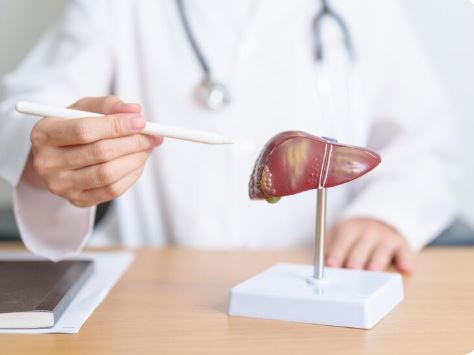
Fatty liver disease (steatosis) is a common condition that is caused by having too much fat build up in the liver. A healthy liver contains a small amount of fat. The fat can becomes a major issue when it reaches 5% to 10% of the weight of the liver.  People with this condition should try to avail Fatty liver treatment in Delhi.

For most people, fatty liver disease does not cause major problems. However, the fatty liver disease can get worse over time for certain individuals.  It may progress through three stages:

  • The liver might get inflamed (swollen), which damages its tissue. This stage is called steatohepatitis.
  • Scar tissue forms where the liver is damaged and is known as fibrosis.
  • Extensive scar tissue replaces healthy tissue. At this point, one would develop cirrhosis of the liver.

Untreated cirrhosis of the liver can eventually lead to liver failure or liver cancer. If the condition becomes this severe, one may even have to undergo Liver Transplant Surgery in India.

People with fatty liver disease usually do not display any significant symptoms till the disease progresses to cirrhosis of the liver.  People showing systems, however, might experience:

  • Weakness
  • Swollen abdomen and legs (edema)
  • Extreme tiredness or mental confusion
  • Nausea, loss of appetite or weight loss
  • Yellowish skin and whites of the eyes (jaundice)
  • Abdominal pain or a feeling of fullness in the upper right side of the abdomen (belly)

People experiencing these issues should consider visiting a Top liver hospital in India to get their condition diagnosed.

Alcohol-related liver disease and liver transplant

Alcohol-related liver disease (ARLD) implies to liver damage caused by excess alcohol intake. There are multiple stages of severity associated with ARLD, along with a range of symptoms. Drinking large amount of alcohol, even for just a few days, can lead to a build-up of fats in the liver. This condition is known as alcoholic fatty liver disease and is considered to be the very first stage of ARLD. Fatty liver disease is a major sign that one is drinking at a harmful level. Stop drinking alcohol for some time is important Alcoholic fatty liver disease treatment.

Alcoholic hepatitis is the second stage of ARLD and can be caused by alcohol misuse over a longer period. The third stage of ARLD implies to alcoholic cirrhosis, where healthy liver tissue is replaced by scar tissue (fibrosis), leading to a decrease in liver function. Availing proper Liver Disease Treatment in Delhi is important for any person diagnosed with this condition.

In the most severe cases of ARLD, the organ loses its ability to properly function, which leads to liver failure. Liver transplant is the only way to cure irreversible liver failure. This surgery is likely to be considered if:

  • You can commit to not drinking alcohol for the rest of your life
  • You develop progressive liver failure despite of not drinking alcohol
  • You are otherwise healthy enough to survive a major surgery like a liver transplant

Liver transplant is a potential treatment option for patients with end-stage liver disease, including alcoholic cirrhosis, in case all other types of medical interventions have failed. Due to the severity and complexity of the surgery, getting admitted at the Best liver transplant hospital in Delhi is important for any person who has to undergo this procedure.

Effective ways to treat liver ailments with advanced technology in well-equipped hospitals

Liver is one of the most important organs in a human body that is required to function well so as to maintain proper health. But given to the changing trends of life and ways of living, liver diseases at present is one of the most common situations that one faces in the course of life due to rigorous working hours and undisciplined food habits. Thus it was crucial for medical persons to come up with some appropriate treatment procedures that could make ends meet for the people who are suffering from chronic liver ailments.

With considerable advancements made in medical sciences, at present it has been possible for the doctors to come up with advanced ways of treating a patient with a critical disease like liver cancer or Hepatitis C. However, Liver Tumours Cancer is basically a fatal disease that might require to be diagnosed at a very right time so as to get treated. With considerable skill, knowledge and work experience, the doctors are completely capable of diagnosing the diseases at an appropriate time, eventually carrying out the required treatment procedures as well.

Hepatitis C Treatment as well, has become possible to be treated with the advanced levels of diagnosis and treatment in the hospitals of the modern times, that are indeed well-equipped and organised. However, immunomodulators and antiviral medications are quite effective in treating this kind of a fatal disease that can cause liver cancer too. Medicine for liver disease is now available in almost all medical shops and can be tried at the right time so as to save a life.