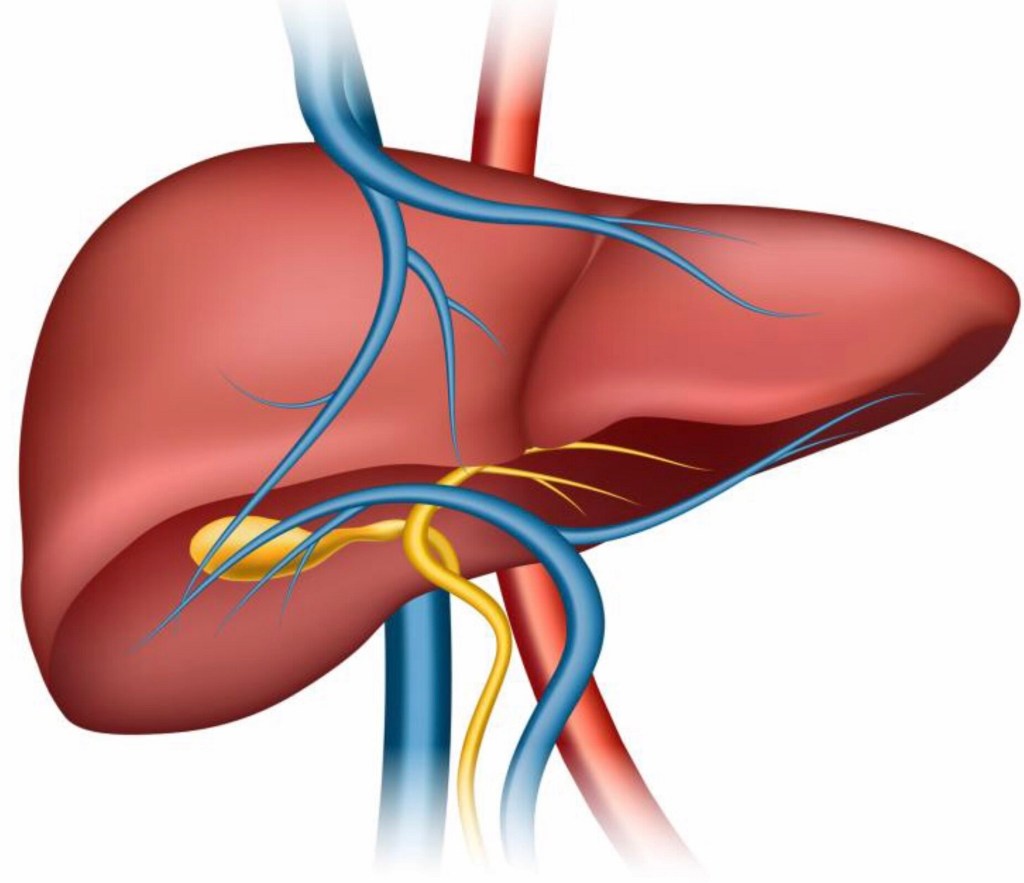
Cirrhosis of the liver: A brief introduction 

Cirrhosis is a late stage liver disease in which healthy liver tissue is replaced with scar tissue, and the organ is damaged permanently. Scar tissues prevent the liver from functioning properly. If a patient does not undergo timely Alcoholic fatty liver disease treatment, and keeps consuming alcohol, they may suffer from liver cirrhosis. Chronic viral infections of the liver, fatty liver associated with obesity and diabetes, and many inherited diseases can also lead to liver cirrhosis.  

Liver conditions and diseases of varied types may injure healthy liver cells, and cause cell inflammation and death. This is followed by cell repair and ultimately tissue scarring, which is a result of the repair process. The scar tissue blocks the flow of blood through the liver and shows the ability of the organ to process natural toxins, drugs, hormones, and nutrients. It also helps in reducing the production of proteins and other substances made by the liver. Eventually, cirrhosis prevents the liver from working properly, and the end-stage of this condition can be life threatening. However, being diagnosed with cirrhosis of the liver doesn’t mean does not mean the patient has an immediately fatal condition. The best medicine for liver cirrhosis, as well as the right treatment can help manage the condition. However, if the cirrhosis continues, more scarring shall occur and the liver functions of the patient may continue to decline. If no other treatment works, then a liver transplant might be the only treatment option available. Details of Low cost liver transplant in India can be found online.
What happens during a liver transplantation procedure? 

Liver transplantation involves surgically replacing a failing or diseased liver with a healthy and normal one. Patients have to undergo a Liver Transplant in India if their liver has been damaged too severely, and no other medication or procedure would work to repair the damage. During the liver transplant procedure, the surgeon basically makes a large incision or cut that goes across the tummy of the patient and up towards their chest. The surgeon then removes the damaged liver and replaces it with the new one, and connects the new liver to the blood vessels and bile ducts of the patient. They ultimately close the incision with clips or stitches. The overall liver transplant procedure may take 7-8 hours, or even more.

To undergo a successful Liver Transplant Surgery in India, it is critical that patients consult experienced and renowned specialists. Most patients can eventually recover and return to their normal activities after the transplant. It usually takes a year or a bit more to recover fully from the surgery. Subsequent to the liver transplant, the patients have to take certain medicines, immunosuppressant’s in particular, throughout their life, to stop their body from attacking the new liver. They must also undergo regular check-ups to see how their health is doing and check how well the new liver is working. Most people live more than a decade or two after a liver transplant surgery. Details of Liver transplantation cost in India can be found on the web.

How are liver diseases diagnosed in children?

Children may experience a number of liver diseases, including Acute liver failure, Alpha-1-antitrypsin deficiency, and biliary atresia. A proper diagnosis of their condition has to be performed to determine whether they need acute liver failure treatment or something else. The diagnosis of liver disease is done with similar techniques used in adults, including:

  • Physical examination: A pediatric gastroenterologist or liver specialist might perform a comprehensive physical examination to determine whether the symptom experienced by the patients are linked with liver disease, and advise further testing accordingly.
  • Imaging tests: Diverse types of imaging techniques like CT scan and ultrasound aid in diagnosing liver disease.
  • Blood tests:  Typically, a complete liver function test or liver panel test is done for the diagnosis. These tests involve collecting and analyzing the blood sample of the patient.
  • Based on the results of these routine tests, the pediatric liver specialist might also recommend further testing for liver-specific metabolic tests.
  • Urine tests: Urine tests are usually advised to determine the amount of bilirubin in the urine of the patient.

The treatment approach for the patient would depend on the diagnosis. Severe procedures like Liver Transplant in Children might have to be done, if the patient suffers from liver failure or biliary atresia. Liver transplant is typically considered to be the last resort treatment. It is only carried out when other invasive and non-invasive treatment measures fail to provide adequate results.  Owing to the high severity of the surgery, only the Best doctor for liver in Delhi should be trusted to carry out a liver transplant.

A brief overview of liver cancer 

The liver is an extremely important organ, which helps your body to digest food, store energy, and remove toxins. Medical conditions associated with this organ can be many. For instance, hepatitis A, hepatitis B, and hepatitis C are caused by viruses. Alcoholic fatty liver, on the other hand, is caused by alcohol abuse. Hence, people diagnosed with this condition would have to quit drinking as a part of Alcoholic fatty liver treatment. There are certain inherited liver conditions as well, including Wilson disease.

Liver cancer is one of the most severe types of liver damage one may experience. Hepatocellular cancers additionally are the most common form of liver cancer in adults, and are known to have different growth patterns. This cancer can start as a single tumor that grows larger or start as many small cancer nodules throughout the liver rather than a single tumor. The latter type is most often in people with cirrhosis. Liver Cancer Treatment would depend on the stage of cancer, age and over the well-being of the patient, and more. Liver transplant, chemotherapy, and radiation are some of the common options for its treatment.

Details of a liver transplant, and even combined liver & Kidney Transplant, can be found online.

Liver Transplant Surgery: A brief overview 

A liver transplant is a severe surgery under which the surgeon removes the damaged liver of the patient and replaces it with a healthy liver from another person, the donor. Donors for Liver Transplant Surgery in India can be living or recently deceased. Living donors donate just a part of their liver. In case the donor is deceased, the surgeon may use the whole liver in the transplant. If a patient has a living donor, the transplant team firstly evaluates whether the potential donor is actually a good match, based on their blood type. The body sizes of the recipient and potential donor may also play a role in determining whether the donor would be the right match or not.

Both adults and children may undergo a Liver Transplant in India. This surgery is typically performed when the liver of the patient is too damaged, and they will not be able to survive without the transplant. A number of conditions can lead to such an extent of damage, including cirrhosis, Alcohol-related liver disease, and acute hepatic necrosis. Cirrhosis refers to the scarring of the liver, ideally due to alcohol misuse or hepatitis. Acute hepatic necrosis, on the other hand, implies to death of liver tissue, generally as a result of acute infection or medication side effects. Biliary atresia is additionally the most common reason for liver transplants in children. It is a congenital liver and bile duct disease that affects newborns. Details of Liver transplantation cost in India can be found online.

A brief insight into liver transplant surgery

Liver transplant surgery involves replacing a diseased liver with a healthy liver from another person. This surgery can be done as an acute liver failure treatment. The new liver usually comes from an organ donor who has just died.  However, in case of liver transplant, even a living person can donate a part of their liver. The living donor may be a family member or even someone who is not related to the patient, but has a matching blood type. Best doctor for liver in Delhi can conduct procedures for living donor transplants effectively. People who donate a part of their liver can lead a healthy liver that is left. This is possible because liver is the only organ in the body that regenerates, and hence replaces the lost or damaged tissue over time. The liver of the donor will grow back to normal size after the surgery, and so shall be the part of the liver received by the patient. It usually takes a few weeks for the liver to grow to its normal size.

Liver Transplant in Children is usually recommended if they have a very severe liver problem that might prove to be fatal without a new liver. The most common liver disease in children who require a liver transplant is biliary atresia. This is a rare disease of the liver and bile ducts that occurs in newborns. Children may also require a liver transplant for liver cancer and other liver tumors, as well as sudden or acute liver failure.

An insight into the medical conditions for which one may need a liver transplant 

Liver transplantation is a major surgery. Doctors recommend going for a Liver Transplant in India if a liver is damaged beyond the capacity of the patient’s body to regenerate. Liver failure due to long standing liver disease is one of the prime reasons for undergoing a liver transplant. Liver failure may also happen due to primary liver tumors or generalized diseases, and require transplantation. Essentially, the reasons for going for a Liver Transplant Surgery in India can vary with the age of the patient, the severity of the disease, and their overall health. There are many adults who may require a liver transplant due to chronic infection with hepatitis C virus. Medical conditions in adults that commonly necessitate a liver transplant also include hepatitis B virus, Non Alcoholic Fatty Liver Disease, Primary Biliary Cirrhosis and Primary Sclerosing Cholangitis. Among tumors, hepatocelllular carcinoma is the most common form that may necessitate a liver transplant among adults. Rarer causes for requiring a liver transplant can include drug overdose with medications that can cause damage to the liver like paracetamol, or even acute liver failure due to viral hepatitis A or B. Complications of liver cirrhosis, primary biliary cirrhosis and mire are also a few rarer conditions that can lead to liver failure and require a liver transplant.

You can research on the web to gain a more extensive understanding of the medical conditions that require a surgery as severe as a liver transplant. Insight into Liver transplantation cost in India can also be found on the web.

An overview of certain treatment options for liver damage

Liver diseases can be of many types. They can be caused by alcohol abuse, infections, inherited conditions, obesity, and more. Unless treated in time, liver disease may cause scarring and lead to serious complications. Alcoholic fatty liver treatment involves stopping drinking alcohol or abstinence. If the condition is in its early stage, the damage may be reversed if you abstain from alcohol for at least 2 weeks. However, all liver disease treatment is not this simple. Liver failure and Liver Cancer Treatment may even involve undergoing a liver transplant. A liver transplant is usually recommended for patients who have end-stage liver disease. Cirrhosis is a common cause of end-stage liver disease.

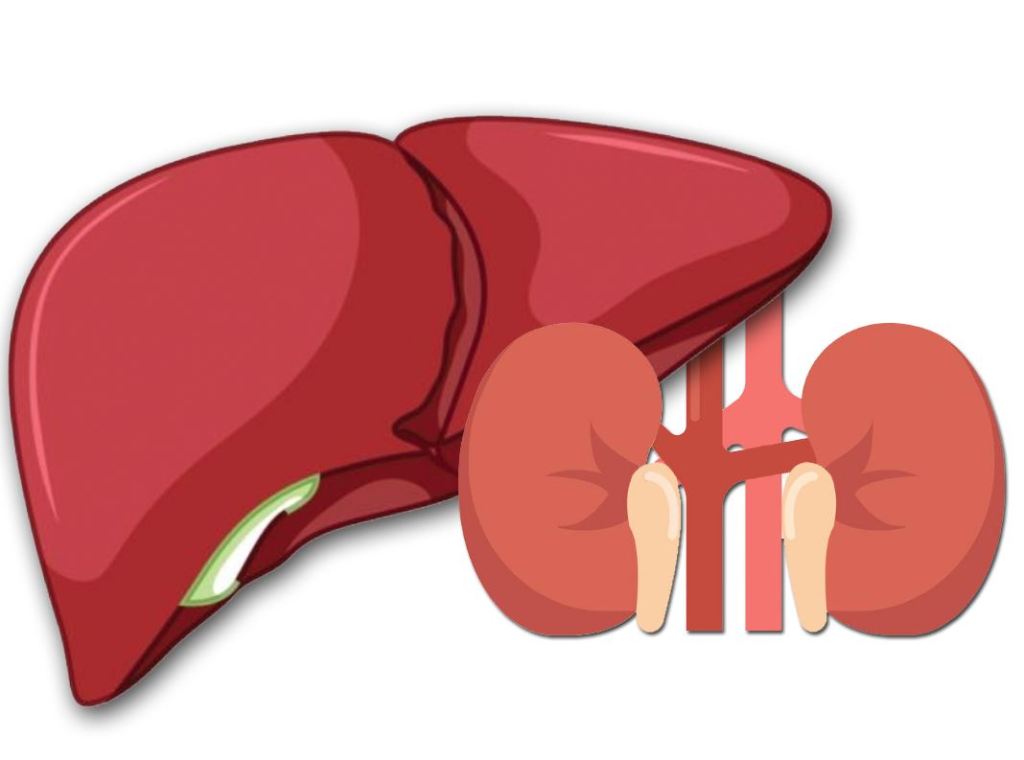
There are also patients who might require combined liver & Kidney Transplant or CLKT. This surgery is meant for patients with failure of both organs, or for the replacement of genetic defects in the liver in the presence of advanced or end-stage chronic kidney disease. If the latter situation is prevalent, then liver transplantation can represent a form of gene therapy.

Abdominal pain, easy bruising, Changes in the color of the urine or stool, Fatigue, and Nausea or vomiting are some of the most common symptoms of liver damage. You need to visit a liver specialist at once if you experience these symptoms, so that they can diagnose your condition and plan your treatment as soon as possible.

An overview of certain treatment options for liver damage

Liver diseases can be of many types. They can be caused by alcohol abuse, infections, inherited conditions, obesity, and more. Unless treated in time, liver disease may cause scarring and lead to serious complications. Alcoholic fatty liver treatment involves stopping drinking alcohol or abstinence. If the condition is in its early stage, the damage may be reversed if you abstain from alcohol for at least 2 weeks. However, all liver disease treatment is not this simple. Liver failure and Liver Cancer Treatment may even involve undergoing a liver transplant. A liver transplant is usually recommended for patients who have end-stage liver disease. Cirrhosis is a common cause of end-stage liver disease.

There are also patients who might require combined liver & Kidney Transplant or CLKT. This surgery is meant for patients with failure of both organs, or for the replacement of genetic defects in the liver in the presence of advanced or end-stage chronic kidney disease. If the latter situation is prevalent, then liver transplantation can represent a form of gene therapy.

Abdominal pain, easy bruising, Changes in the color of the urine or stool, Fatigue, and Nausea or vomiting are some of the most common symptoms of liver damage. You need to visit a liver specialist at once if you experience these symptoms, so that they can diagnose your condition and plan your treatment as soon as possible.

An overview of the three stages of alcohol-related liver disease

The liver tends to break down most of the alcohol you drink so that it can be removed from your body. This, however, creates a harmful substance that can damage liver cells and cause serious liver disease. Alcohol-related liver disease (ARLD) refers to the liver damage caused by excessive consumption of alcohol. There are multiple stages of severity in ARLD, and each of them has a number of associated symptoms. You need to visit the Best liver hospital in India for treatment, if you are diagnosed with any stage of alcohol-related liver disease.

The three stages of alcohol-related liver disease are:

  • Alcoholic fatty liver disease: Drinking a large amount of alcohol for a relatively significant span of time can lead to a build-up of fats in the liver. This condition is known as alcoholic fatty liver disease, and it is the very first stage of ARLD. Rarely any significant symptoms are observed for fatty liver disease, but it indeed is a warning sign that you need to cut down or at least reduce your alcohol intake. This condition is reversible if you go for proper Alcoholic fatty liver disease treatment and make the needed lifestyle changes. Absolutely stopping to drink alcohol for weeks can help the liver to get back to normal.
  • Alcoholic hepatitis: Even though this condition is unrelated to infectious hepatitis, alcoholic hepatitis is quite a severe issue that is caused by high alcohol consumption for a prolonged period of time. There is a good chance that it is the very first time a person becomes aware that they damaging their liver through alcohol after getting diagnosed with alcoholic hepatitis. This is a serious and life-threatening condition, and hence you must avail Alcoholic hepatitis treatment as soon as possible after getting diagnosed with this stage of ARLD.
  • Cirrhosis: This is the third and the most severe stage of ARLD, where the liver becomes significantly scarred. Cirrhosis is typically not reversible, but stop to drinking alcohol at once can prevent further damage. A liver transplant might be needed in severe cases of cirrhosis where the liver has stopped functioning, and does not improve even after stopping alcohol consumption. Patients are only considered for a liver transplant if they have developed complications of cirrhosis despite having stopped drinking. Anyone going for a liver transplant must not drink alcohol while awaiting the transplant, as well as for the rest of their life.

More details of ARLD can be found online.