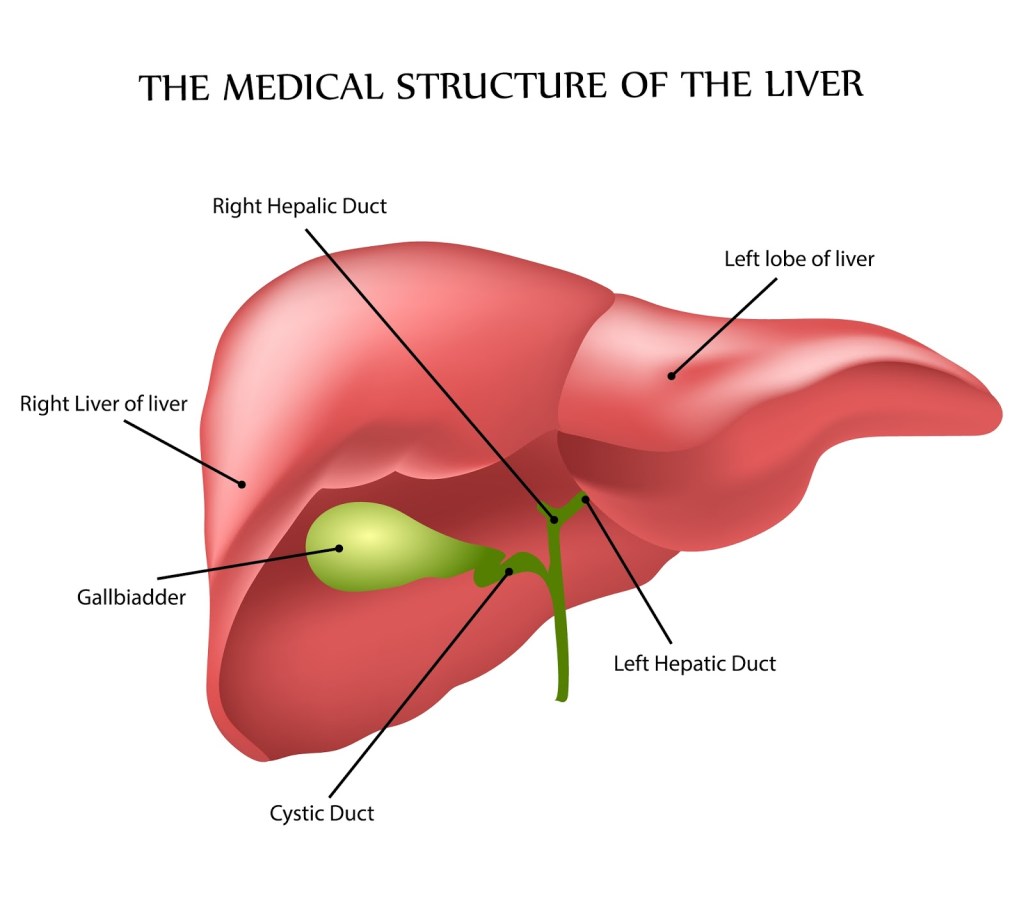
A general refresher on diverse stages of Alcohol-related liver disease or ARLD

Alcohol-related liver disease (ARLD) progresses in three stages. Fatty Liver, the earliest stage, involves fat buildup in the liver. Alcoholic Hepatitis causes inflammation and liver cell damage, often accompanied by jaundice and discomfort. Cirrhosis, the final stage, leads to irreversible scarring, severe symptoms, and potential liver failure.

Alcohol-related liver disease, or ARLD, refers to the damage suffered by the liver owing to years of excessive drinking. Long-term alcohol abuse can cause the liver to become swollen and inflamed. Such damage can even lead to scarring, known as cirrhosis. Cirrhosis is essentially the final stage of ARLD.

While many patients do not face symptoms of alcoholic liver disease till the situation gets severe, some do start showing signs earlier. The symptoms of this condition include nausea, loss of appetite, jaundice, fatigue, abdominal discomfort, increased thirst, swelling in the legs and abdomen, weight loss, darkening or lightening of the skin, red hands or feet, dark bowel movements, fainting, unusual agitation, as well as mood swings. Anyone diagnosed with this condition must seek out Alcoholic liver disease treatment at once.

In the first stage of ARLD, fat accumulates around the liver. This condition is known as Alcoholic fatty liver disease and can be cured by not drinking alcohol anymore. In case the patient keeps drinking alcohol, they might develop acute alcoholic Hepatitis.  This refers to inflammation of the liver. Depending on the severity of the condition, prompt Alcoholic liver disease treatment in India needs to be sought out.

In certain cases, high alcohol consumption can lead to acute liver failure. Even though this condition can be reversed with treatment at times, in many situations, a liver transplant may be the only acute liver failure treatment option.
Recognizing the Symptoms of Alcoholic Liver Disease at Each Stage

Alcoholic liver disease progresses in three stages:

  • Fattyliver, marked by fatigue and discomfort
  • Alcoholichepatitis causes jaundice, fever, and abdominal pain
  • Cirrhosis leading to severe symptoms like fluid buildup, confusion, and bleeding

Early recognition and lifestyle changes are crucial to slowing or preventing further liver damage.

Alcoholic liver disease is a common meditation condition and can be of three types—several heavy drinkers progress through these three types over time. The first type is fatty liver. This refers to the fat buildup inside the liver cells, leading to an enlarged liver. It is the most common alcohol-induced liver problem. Alcoholic fatty liver disease treatment need not be difficult. This condition can be managed by leaving alcohol consumption. The second type or stage of alcoholic liver damage is alcoholic hepatitis.

This refers to the death of liver cells, often followed by permanent scarring. After this stage comes Alcoholic Cirrhosis, which implies the destruction of normal liver tissue. It leaves scar tissue in place of the working liver tissue. This condition causes acute liver failure. Due to its high severity level, seeking out acute liver failure treatment as soon as possible is extremely important.  In the most critical cases, a liver transplant might be the only treatment option available. In this situation, it is important to contact the Best liver transplant surgeon in India for the procedure, as it is quite a major surgery.

How are liver diseases diagnosed in children?

Children may experience a number of liver diseases, including Acute liver failure, Alpha-1-antitrypsin deficiency, and biliary atresia. A proper diagnosis of their condition has to be performed to determine whether they need acute liver failure treatment or something else. The diagnosis of liver disease is done with similar techniques used in adults, including:

  • Physical examination: A pediatric gastroenterologist or liver specialist might perform a comprehensive physical examination to determine whether the symptom experienced by the patients are linked with liver disease, and advise further testing accordingly.
  • Imaging tests: Diverse types of imaging techniques like CT scan and ultrasound aid in diagnosing liver disease.
  • Blood tests:  Typically, a complete liver function test or liver panel test is done for the diagnosis. These tests involve collecting and analyzing the blood sample of the patient.
  • Based on the results of these routine tests, the pediatric liver specialist might also recommend further testing for liver-specific metabolic tests.
  • Urine tests: Urine tests are usually advised to determine the amount of bilirubin in the urine of the patient.

The treatment approach for the patient would depend on the diagnosis. Severe procedures like Liver Transplant in Children might have to be done, if the patient suffers from liver failure or biliary atresia. Liver transplant is typically considered to be the last resort treatment. It is only carried out when other invasive and non-invasive treatment measures fail to provide adequate results.  Owing to the high severity of the surgery, only the Best doctor for liver in Delhi should be trusted to carry out a liver transplant.

Liver transplant: A treatment option for end-stage, critical liver diseases

Liver is one of the most important organs associated with the digestive and blood purification system of the body. If you are diagnosed with any liver disease, then you need to acquire the proper treatment as soon as possible. People who consume too much of alcohol, for instance, may require Alcoholic fatty liver treatment if they are diagnosed with a specific condition. If you are suffering from any liver disease for a prolonged period of time and haven’t got the proper treatment, your condition might lead to liver failure. Liver failure is when the organ or at least a major portion of it gets damaged beyond repair. 

This starts to affect the liver functions, and requires urgent medical care. Liver transplantation is commonly needed for patients dealing with liver failure. At times, patients may even have to undergo combined liver & Kidney Transplant due to the failure of both organs, or for the replacement of genetic defects in the liver in the presence of advanced or end-stage chronic kidney disease. Liver transplantation can also be done as a Liver Cancer Treatment. You can check the web to know more about this severe surgery.

Liver transplantation: an end stage liver disease treatment option

Liver can be credited with performing at least five hundred vital functions. It maintains the right blood thickness, makes vitamins, regulates blood sugar and more. Liver is responsible for filtering toxins from the blood as well as clearing alcohol.  The liver is vital to heart health as well. If your lover gets damaged, then many other problems may follow.  Hence, seeking out Alcoholic fatty liver disease treatment and such in a timely manner is important.

Early detection is the key to keeping liver problems at bay. Almost any liver disease can progress to the point of no return and lead to severe health issues.  If your liver gets damaged to an extent that it cannot be saved, then you may need to consult the Best liver transplant surgeon in India for an organ transplantation procedure. Liver transplant is the prime acute liver failure treatment option. However, transplantation is done only for end-stage liver diseases, in which there would be no other way to save the organ. Liver transplant is a major surgery, and patients have to typically undergo a number of tests before they are considered to be eligible for it.
Contact

Max Center For Liver And Biliary Sciences,

Max Super Specialist Hospital, Saket

Press Enclave Road, Saket

110017, New Delhi , DL India

+91 981 107 5683

Ways To Manage And Treat Alcoholic Liver Disease

Treatment for Alcoholic liver disease treatment involves stopping to alcohol consumption. This is called abstinence, and it can be pretty vital, depending on the stage of the alcoholic liver disease. If you have fatty liver disease, then the damage might be reversed if you abstain from alcohol for around two weeks or so.  Lifelong abstinence is recommended if you suffer from a more serious form of alcoholic liver disease like alcoholic hepatitis or cirrhosis. Stopping to drink is essentially the only way to prevent your liver damage from getting worse, before the condition becomes fatal.

In the most severe cases of alcoholic liver disease, the organ loses its ability to function, thereby leading to liver failure. A liver transplant is the only way to treat irreversible liver failure. You may need a liver transplant for Alcoholic liver disease treatment in India, if you develop progressive liver failure even after not drinking alcohol. A liver transplantation procedure is commonly carried out as both chronic and acute liver failure treatment option. It is quite a major surgery, and hence you must try to consult a well-known liver surgeon if you are recommended to undergo it.
Contact

Max Center For Liver And Biliary Sciences,

Max Super Specialist Hospital, Saket

Press Enclave Road, Saket

110017, New Delhi , DL India

+91 981 107 5683

A general introduction to Alcoholic liver disease and its symptoms

Alcoholic liver disease develops after years of heavy drinking. Scarring and cirrhosis may take place over time, requiring immediate Alcoholic liver disease treatment. Cirrhosis is the final state of alcoholic liver disease. While not all heavy drinkers suffer from alcoholic liver disease, the odds of facing this condition goes up substantially with more alcohol one consumes.

Alcoholic liver disease is common among people of 40 and 50 years of age. Men are more likely to be diagnosed by alcoholic liver disease. But it is also important to note that women may develop the disease after less exposure to alcohol than men. There also are people who have an inherited risk for the disease.

In the initial stage of alcoholic liver disease, one might have no or very minor symptoms, depending how well their liver is working. The symptoms tend to be worse after a period of heavy drinking, subsequent to which people have to go for Alcoholic liver disease treatment in India.

Early symptoms of alcoholic liver disease includes Loss of energy, poor appetite and weight loss, nausea, belly pain, as well as small, red spider-like blood vessels on the skin. As the condition worsens, one might be faced with fluid buildup of the legs (edema) and in the abdomen (ascites). Jaundice, easy bruising and abnormal bleeding are also symptoms of this severe condition.

Detailed insights into alcoholic liver disease and acute liver failure treatment can be found on the web.

A brief insight into the condition of acute liver failure and its treatment 

Acute liver failure implies to the loss of liver function that takes place rapidly, within a span of weeks or days. Such a condition is typically faced by patients who have no preexisting liver disease. Acute liver failure is commonly caused by hepatitis virus or drugs. It is important that patients go for acute liver failure treatment as fast as possible as it can cause a number of severe complications like increasing pressure in the brain and excessive bleeding. It essentially is a medical emergency that requires an immediate hospitalization.

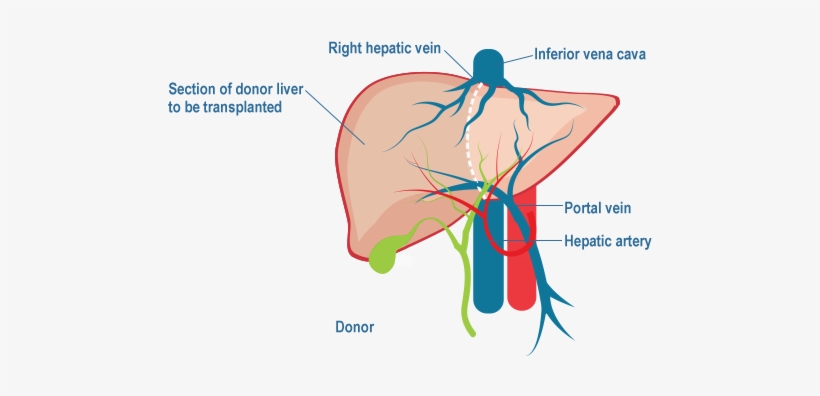
Depending on the case, at times, acute liver failure can actually be reverse with treatment. However, in many situations, opting for a liver transplant can be the only cure.  During a liver transplant, the surgeon removes damaged liver of the patient and replaces it with a healthy liver from a donor. This is an extremely major surgery and hence one needs to get in touch with the Best liver transplant surgeon in India if they have to undergo this procedure.

Detailed information about acute liver failure or even Alcoholic fatty liver disease treatment can be found on the web.

Contact

Max Center For Liver And Biliary Sciences,

Max Super Specialist Hospital, Saket

Press Enclave Road, Saket

110017, New Delhi , DL India

+91 981 107 5683

A General Insight Into Acute Liver Failure And Alcoholic Liver Disease

Acute liver failure is a rare condition in which the organ suddenly starts to not work.  This usually happens just after an overdose of medicine or poisoning. Acute liver failure can be caused due to taking too much acetaminophen, drinking a lot of alcohol, as well as certain diseases or infections like hepatitis, Wilson disease, and herpes simplex virus. Acute liver failure treatment might require a liver transplant, if no other medication or procedure works.   One might also need a liver transplant if you suffer from end stage alcoholic liver disease. 

The first stage of alcoholic liver disease is fatty liver in which there is a build-up of fat inside the liver cells that leads to an enlarged liver. Alcoholic fatty liver disease treatment is usually not that extensive, and the condition can be managed by stopping alcoholic consumption.  The second stage is alcoholic hepatitis which refers to an acute inflammation of the liver. The third and final stage of alcoholic liver disease is cirrhosis that leads to the destruction of normal liver tissue.  People diagnosed with end stage alcoholic liver diseaseshould ideally contact the best liver transplant surgeon in India for treatment.

Contact

Max Center For Liver And Biliary Sciences,

Max Super Specialist Hospital, Saket

Press Enclave Road, Saket

110017, New Delhi , DL India

+91 981 107 5683

A Brief Insight Into The Stages Or Types Of Alcoholic Liver Disease

Alcoholic liver disease is common meditation condition, and can be of three types. A number of heavy drinkers progress through these 3 types over time. The first type is fatty liver. This refers to the build-up of fat inside the liver cells and leads to an enlarged liver. It is the most common alcohol-induced liver problem. Alcoholic fatty liver disease treatment need not be difficult. This condition can be managed by leaving alcohol consumption. The second type or stage of alcoholic liver damage is alcoholic hepatitis. This refers to the death of liver cells, often followed by permanent scarring. After this stage comes Alcoholic cirrhosis, which implies to the destruction of normal liver tissue. It leaves scar tissue in place of the working liver tissue. This condition cause acute liver failure. Due to its high severity level, seeking out acute liver failure treatment as soon as possible is extremely important.  In the most critical cases, a liver transplant might be the only treatment option available. In this situation, it is important to contact the Best liver transplant surgeon in India for the procedure, as it is quite a major surgery.

Contact

Max Center For Liver And Biliary Sciences,

Max Super Specialist Hospital, Saket

Press Enclave Road, Saket

110017, New Delhi , DL India

+91 981 107 5683