A Refresher On The Three Stages Of Alcoholic Liver Disease

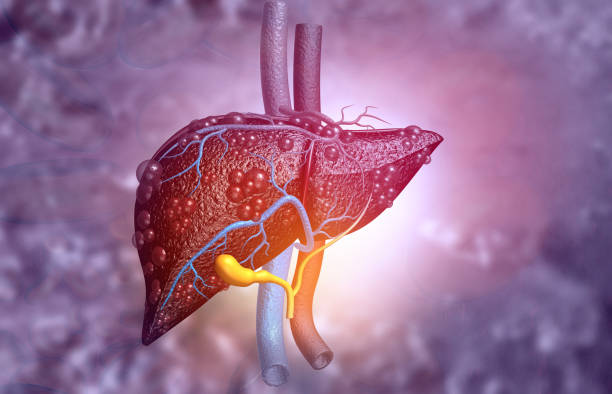
3d illustration of Abstract medical background with Diseased liver

Alcoholic liver disease is caused by excessive alcohol consumption over a span of time. Alcohol abuse eventually leads to the replacement of healthy liver tissues with scar tissues. This condition can even cause acute liver damage, leading to liver failure.  Proper, timely acute liver failure treatment is imperative for all patients.

The first stage of alcoholic liver disease is characterized by an excessive accumulation of fat inside the liver cells, which makes it harder for the organ to function properly. Timely alcoholic liver disease treatmentcan help prevent further damage to the organ. However, if the damage is not properly treated, then it will move to the second stage, which is alcoholic hepatitis.

Alcoholic Hepatitis implies to the inflammation of the organ that causes fast degeneration of liver cells. In critical cases, this can cause life-threatening complications like liver cirrhosis and absolute liver damage. To make sure that the condition does not worsen, it is important to fully stop alcohol consumption and seek out treatment. 

Liver Cirrhosis is the third and final stage of alcoholic liver disease. In this stage, permanent scarring of healthy liver tissue takes place. This is an extremely severe, irreversible condition.  Any patient with liver cirrhosis might witness liver failure symptoms. A liver transplant might be the only treatment option in the severe cases of this condition, when the organ stops functioning.   Details of the best hospitals to undergo liver transplant in India can be found online.
Symptoms Of Liver Damage You Must Keep A Look Out For

The liver is among the most vital organs of the human body. To ensure its proper functioning, you need to maintain a healthy lifestyle, and particularly keep your alcohol consumption in check.  Alcohol is among the most common causes of liver damage, and can lead to ailments like alcoholic fatty liver disease. Alcoholic fatty liver disease treatment would involve curbing risk factors like obesity, making dietary changes, and stopping alcohol consumption. However, if you do not stop your alcohol intake in time, this condition may even progress to liver failure (cirrhosis).

You must understand that any damage suffered by the liver can have severe health consequences. Hence, seeking out timely treatment is crucial.  Prompt acute liver failure treatment is especially important as this condition progresses pretty fast. 

Here are some of the major symptoms of liver damage:

  • Production of dark-colored urine
  • Chronic fatigue, forgetfulness, and confusion
  • Loss of appetite and problems of nausea and vomiting
  • Pain and swelling of the abdomen
  • Abnormal swelling of the ankle
  • Yellowish discoloration of the skin and even the eyes
  • Itchiness and irritability of the skin
  • Swelling in feet and legs owing to insufficient protein

If you notice any of these indications of liver damage in yourself, then it is prudent to contact a good liver specialist at once.  You need to consult an experienced and knowledgeable specialist in case you need to go for a liver transplant in India, as it is quite major and difficult surgery.

A Short Outline On Acute Liver Failure And The Treatment Of The Condition

The liver is a crucial organ, and there are many conditions associated with it that people might be faced with. However, no matter you require an alcoholic fatty liver disease treatment or some other cure, proper steps should always be taken to promptly diagnose, manage and treat any liver condition you may have.

Acute liver failure is one of the most severe medical conditions associated with the organ. Under this illness, loss of liver function takes place rapidly, within a span of days or weeks, usually in a person who has no kind of preexisting liver disease. In the majority of the cases, acute liver failure tends to be caused by a hepatitis virus or drugs, like acetaminophen. Acute liver failure is less common than chronic liver failure, which develops is known to develop much more gradually.

Acute liver failure treatment ideally is done in the intensive care unit of a hospital, where transplantation can be performed, if needed. Your doctor may try to treat the liver damage itself, but there are many instances where the treatment also involves controlling complications and giving your liver time to heal. In the situation that acute liver failure is not reversible, going for transplantation surgery might be the only option.  During this procedure, a surgeon would remove your damaged liver and replace it with a healthy liver from a donor. Details of hospitals specializing in liver transplant in India can be found online.
Why Do People Have To Undergo Liver Transplantation?

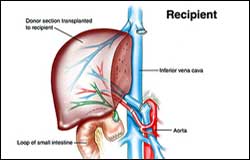
Liver transplantation is a vital surgical procedure in which a damaged liver is entirely removed from the body of the patients, and is replaced with a healthy liver from a deceased donor or a part of a liver coming from a living donor. It is undergone as an acute liver failure treatment in many situations.

In case a liver failure takes place all of a sudden, this condition is referred to as acute liver failure. Acute liver failure may take place within a span of just a few weeks. This condition, however, is quite uncommon on the whole, and typically takes place due to the complications caused by particular medications. Conversely, chronic liver failure takes place slowly over months and even years.

Usually, only patients having severe health complications have to undergo this surgery, especially if they are suffering from acute liver failure due to an autoimmune disease, liver tumors like viral hepatitis, or liver cancer. Broadly speaking, a liver transplant is considered to be a life saving surgery, and usually recommended by doctors when there is no other way to save the damaged liver of the patients. If the condition gets too severe, at times, this surgery is also recommended as an alcoholic liver disease treatment. It is better that patient visit the most well-established and renowned transplant hospital in India if they are recommended to undergo this treatment, as it is quite a severe one. Details about such hospitals can be found on the web.

An Insight Into Acute Liver Failure Symptoms And Complications

Liver is among the most important organs of the human body and performs a wide range of vital functions. Hence, in case you are diagnosed with any medical condition associated with it, it is important to seek out the needed treatment at a prestigious hospital at once. There are many well-established hospitals across the country that offers alcoholic fatty liver treatment and more.

Among diverse medical conditions associated with the organ, acute liver failure is one of the most severe ones. This condition refers to the loss of liver function that takes place rapidly, usually within weeks or even days. Acute liver failure mostly is suffered by people with no preexisting liver disease. It is much less common than chronic liver failure, which develops more slowly. Nonetheless, there are several people affected by this condition, and acute liver failure treatment should be sought out by people showing any symptoms of it. The signs and symptoms of acute liver failure may include:

  • Abdominal swelling
  • Nausea
  • Vomiting
  • A general sense of feeling unwell (malaise)
  • Disorientation or confusion
  • Sleepiness
  • Tremors
  • Yellowing of the skin and eyeballs (jaundice)
  • Pain in your upper right abdomen
  • Breath having a musty or sweet odor

Acute liver failure may cause severe complications, which can include excessive bleeding and increasing pressure in the brain. This would be a medical emergency situation that requires hospitalization.

Here is a brief insight into the major health complications that can be caused due to acute liver failure:

  • Excessive fluid in the brain: Too much fluid can lead to high pressure build up in the brain, thereby causing seizures, severe mental confusion and disorientation
  • Bleeding and bleeding disorders: A failing liver cannot make adequate clotting factors, which is needed to help the blood to clot. This might cause bleeding in the gastrointestinal tract that is difficult to control.
  • Infections: People having acute liver failure are more likely to develop infections, particularly in the blood and in the respiratory and urinary tracts.
  • Kidney failure: There are many instances where kidney failure takes place after liver failure, especially if the patient has an acetaminophen overdose, which damages both the liver and the kidneys.

In the situation that acute liver failure can’t be reversed, the only treatment available might be a liver transplant. During this procedure, a surgeon removes the damaged liver and replaces it with a healthy liver from a donor. Due to the high complexity of the surgery, only the best liver transplant surgeon in India should be contacted for it.

An Insight On Certain Situations When Liver Transplant Might Be Necessary

A liver transplant is an extremely complex and severe surgical procedure. In this process, the diseased liver of the patient is replaced with a whole or partial healthy liver from a donor. It is vital that people consult the best liver transplant surgeon in India, if they have to undergo this surgery due to its high severity and associated risks.

A liver transplant is only done when the organ becomes too damaged, and the patient has no chances of survival unless this surgery is done. In many cases, this transplant is done as an acute liver failure treatment.  This medical condition involves the rapid deterioration of the functions of the liver. Acute liver failure can happen due to viruses or some other infections, cancer or autoimmune disease, as well as drug overdose or other toxins

In certain situations, alcoholic fatty liver treatment may even warrant a liver transplant, in case the situation becomes too severe. Alcoholic fatty liver can usually be managed if the patient entirely leaves their alcohol intake, and follows the recommended medication and diet. However, in certain situations, these solutions may not work out, and a transplant would be needed.

Contactact Info

Max Center For Liver And Biliary Sciences,
Max Super Specialist Hospital, Saket
Press Enclave Road, Saket
110017, New Delhi , DL
India

+91 981 107 5683

Things You Need to Know about Liver Cirrhosis

Don’t be alarmed if your doctor tells you to undergo liver cirrhosis treatment in Delhi. To understand what this means however, you need to know all about the diseases, its symptoms and causes. Here is a brief overview about the same.

What is cirrhosis?

Cirrhosis basically refers to a condition where scar tissue slowly replaces your healthy liver cells. Your liver filters toxins from your blood, makes enzymes that help you digest food, ensures you fight infections and stores nutrients and sugar. Every time your liver gets hurt, it repairs itself and forms a tough scar tissue. If scar tissue is built up in excess, the organ may not work right.

Symptoms of this condition

Although you may not have symptoms initially, over time the damage that occurs to your liver worsens. You may begin to experience nausea, loss of appetite, fatigue and weakness as well as weight loss. Other than this, you may also have swelling in your legs and belly and may tend to bleed and bruise easily.

Causes that can lead to it

Obesity raises the chances of having this condition to a large extent. Heavy drinking owing to alcohol addiction can also be a cause. Besides this, a long-term hepatitis B or hepatitis C infection can also be a cause.

It is important to head to the right professionals so that this condition can be prevented from worsening further. For the best treatment plans as well as acute liver failure treatment and alcoholic liver disease treatment in India, head to us at Centre for Liver and Biliary Sciences.